

Lymphatic malformations are often misunderstood, yet they play a crucial role in the lives of many individuals. A recent publication from Palvella Therapeutics sheds much-needed light on the clinical differences and treatment strategies surrounding these complex conditions. What does this mean for patients? Let’s dive in.
Unraveling the Complexity of Lymphatic Malformations
The landscape of lymphatic malformations is intricate, encompassing a range of conditions that can dramatically impact quality of life. Palvella’s review published in the Journal of Vascular Anomalies not only highlights the clinical diversity within microcystic and macrocystic malformations but also suggests that a one-size-fits-all treatment approach is inadequate.
The Clinical Spectrum: Microcystic vs. Macrocystic
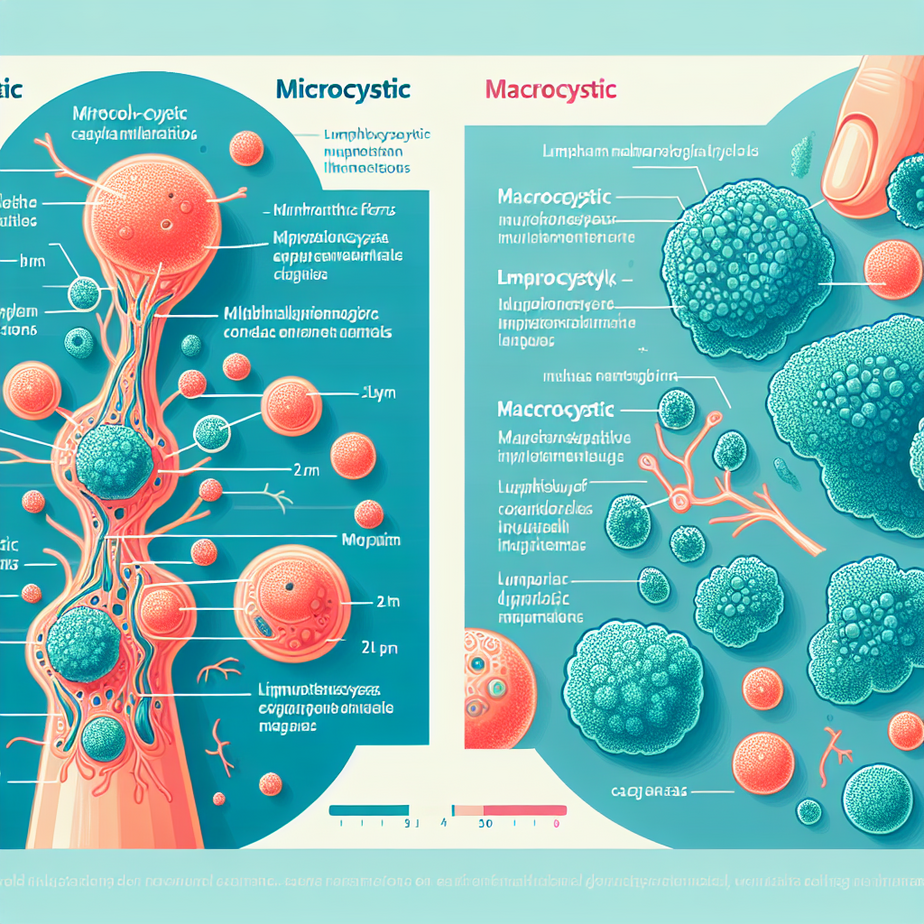
In practice, clinicians often observe that the management of lymphatic malformations demands a nuanced understanding of the specific type present. Microcystic malformations typically involve tiny, numerous cysts, which may lead to significant complications like pain and functional impairment. On the other hand, macrocystic formations are usually characterized by larger, more defined cysts, which, while they can also be problematic, often exhibit different challenges in terms of surgical intervention and treatment outcomes.
Novel Treatment Approaches
What is particularly striking about Palvella’s findings is the call for tailored treatment modalities. A common observation among analysts is that the approach to managing these conditions should not only consider surgical removal but also innovative pharmacological therapies. For some patients, medications may reduce the size of the malformations or manage symptoms, thus offering a complementary strategy to traditional surgical methods.
Integrating Multidisciplinary Care
There is also an increasing recognition of the importance of a multidisciplinary approach in treating lymphatic malformations. Involving dermatologists, surgeons, and even genetic counselors can lead to comprehensive care that addresses not only the physical implications of the malformations but also the psychological and social aspects that patients may face.
A Patient-Centric Focus
As we consider the implications of Palvella’s recent review, it’s paramount to emphasize the patient perspective. Many families affected by lymphatic malformations experience not only physical symptoms but also emotional and social challenges. In light of this, educational resources and support systems become fundamental in helping patients navigate their conditions.
Why This Matters Now
Given the growing interest in vascular anomalies and their treatments, this publication comes at a critical time. The healthcare landscape is continuously evolving with advances in medical research and therapy; hence, disseminating up-to-date, evidence-based information can lead to improved outcomes for patients.
FAQ
What are lymphatic malformations?
Lymphatic malformations are abnormal growths that occur in the lymphatic system, which helps to regulate fluid balance in the body. They can occur anywhere in the body and vary significantly in size and impact.
How are lymphatic malformations treated?
Treatment options can include surgical removal, medication management, and a multidisciplinary approach involving various healthcare professionals.
Are lymphatic malformations hereditary?
Some lymphatic malformations have been found to be associated with genetic factors, but not all cases are hereditary.
Conclusion: A Path Forward for Patients and Clinicians
As the review by Palvella Therapeutics suggests, there is much to learn about lymphatic malformations and their treatment. It serves as a reminder that the journey for patients with these conditions is not merely about managing symptoms but also about fostering an understanding of their unique experiences. By recognizing the need for personalized treatment approaches and a collaborative care model, we can enhance the quality of life for those affected.
For patients and medical professionals alike, these insights mark a hopeful step toward more effective management of lymphatic malformations. The ongoing research in this field underlines the importance of community and support, reminding us that behind every clinical diagnosis lies a human story waiting to be told.