

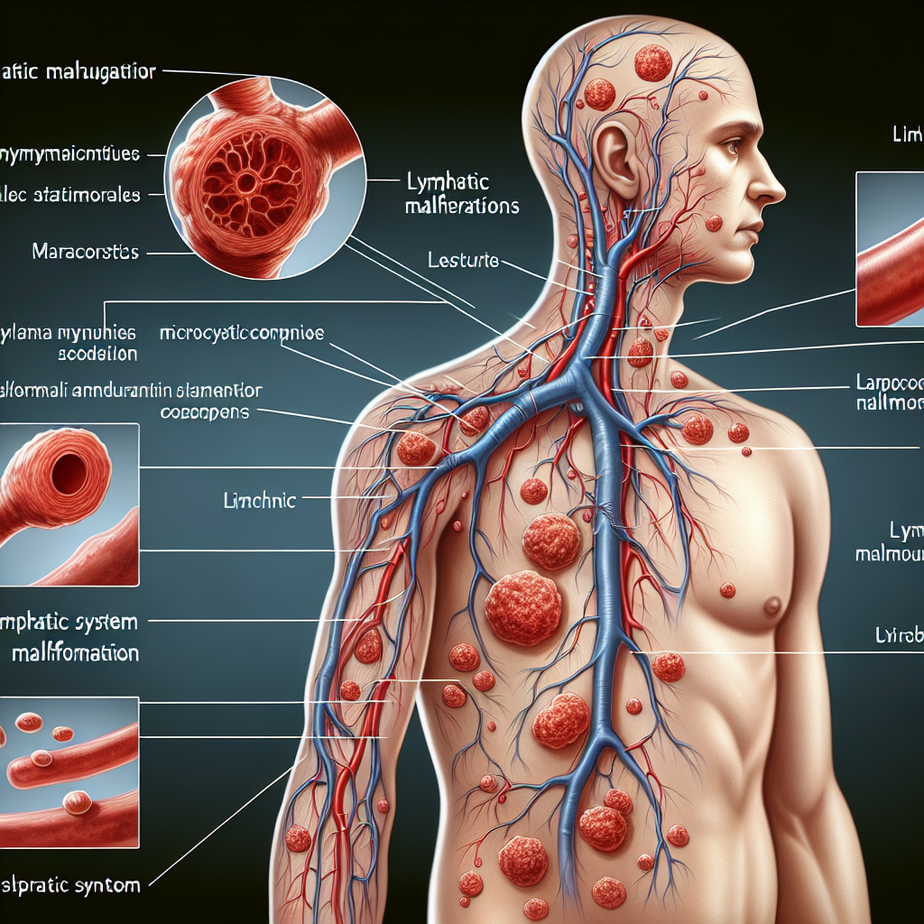
For years, the complexities surrounding lymphatic malformations have puzzled experts in the field of vascular anomalies. Now, a recent publication by Palvella Therapeutics sheds significant light on these conditions, challenging long-held beliefs and paving the way for new treatment methodologies.
Understanding Lymphatic Malformations
Lymphatic malformations, primarily categorized as microcystic and macrocystic conditions, present intricate challenges in diagnosis and therapeutic intervention. Traditionally, these malformations were viewed through a lens that did not adequately differentiate between the two types. Palvella’s review emphasizes the critical clinical distinctions between microcystic lymphatic malformations, which involve smaller cystic structures, and their macrocystic counterparts, characterized by larger cysts.
A New Perspective on Treatment Approaches
When it comes to treatment, the approaches for microcystic and macrocystic malformations can vary significantly. The review suggests that while macrocystic forms may respond better to surgical interventions, microcystic forms often require a more nuanced approach that considers the potential for scar formation and any complications arising from surgery. In practice, we often see patients with microcystic malformations undergoing more conservative treatments, such as sclerotherapy, which aims to minimize invasiveness while managing symptoms effectively.
Why This Matters Now
The timing of this publication aligns with an increasing recognition of the need for tailored treatment strategies in the field of vascular anomalies. With advancements in imaging techniques and a better understanding of lymphatic anatomy, healthcare professionals are better equipped than ever to diagnose and treat these conditions.
A common observation among analysts is that many patients suffering from lymphatic malformations benefit enormously from personalized care plans. This is especially true when multidisciplinary teams work collaboratively, combining specialties like pediatric surgery, dermatology, and oncology to address each aspect of a patient’s condition holistically.
Expert Analysis: The Limitations of Current Understanding
While Palvella’s insights are groundbreaking, there remains much to be learned about lymphatic malformations. The review identifies gaps in the current body of knowledge, particularly regarding long-term outcomes associated with various treatment modalities. Research from trusted sources, such as recent studies published in the Journal of Vascular Surgery, highlights that while immediate treatment results can be promising, the lasting impact on patients often requires more extended follow-up.
What Patients and Families Need to Know
Patients diagnosed with lymphatic malformations may find themselves overwhelmed by treatment options and clinical jargon. Becoming an informed advocate for one’s health care is crucial. Here are some key points to consider:
- Engage with Specialists: Seek out healthcare providers who specialize in vascular anomalies and request consultations to explore all treatment options.
- Ask About Emerging Treatments: New therapies, including genetic research implications and novel sclerosing agents, are on the horizon. Staying updated through specialized forums or patient advocacy groups can provide invaluable information.
- Consider Long-Term Outcomes: Inquire about the long-term effectiveness of treatments, including potential complications and follow-up care requirements.
FAQ Section
What are the symptoms of lymphatic malformations?
Symptoms can include swelling, pain, and functional impairment, depending on the size and location of the malformation.
How are lymphatic malformations typically diagnosed?
Diagnosis usually involves imaging modalities such as ultrasound, MRI, or CT scans, along with a clinical evaluation.
What are the common treatment options?
Treatment may include observation, surgical intervention, sclerotherapy, or a combination of therapies tailored to individual patient needs.
Conclusion: Embracing a Holistic Future in Treatment
The insights published by Palvella Therapeutics in the Journal of Vascular Anomalies signal a promising shift towards more precise and individualized treatment plans for lymphatic malformations. As healthcare providers continue to unravel the complexities of these conditions, the cooperation of multidisciplinary teams becomes even more essential. Ultimately, an informed and supportive community can empower patients and families—leading to more successful treatment outcomes and improved quality of life.