

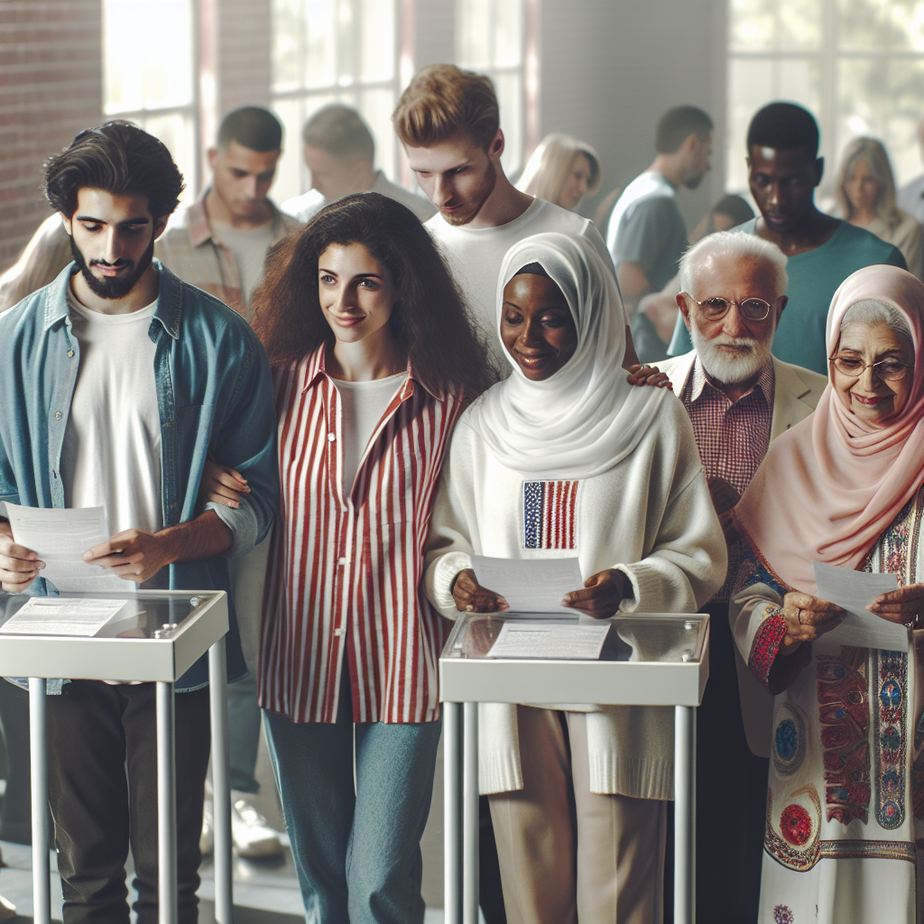
The Stakes of Voting: A Call to Action
As the air thickens with election season rhetoric, a stark warning from Illinois Governor JB Pritzker raised eyebrows and concerns alike. At a recent conference in New York City, Pritzker alerted attendees that President Donald Trump could deploy ICE agents to polling places—a move critics argue could deeply intimidate voters and disrupt the integrity of the democratic process.
Voter Intimidation: A Historical Context
Voter intimidation is not a new phenomenon in the United States. Looking back, we find that tactics designed to suppress voting often target communities of color, lower-income populations, and other marginalized groups. In practice, we often see traditional authorities, such as law enforcement, utilized in ways that create fear rather than manage order during elections. Pritzker’s remarks push this ongoing dialogue back into the spotlight, calling upon citizens to be vigilant advocates for civil rights.
What Would Such a Move Mean for Voter Turnout?
Imagine arriving at your local polling station only to be met by officials that could potentially scrutinize your legal status. For many, this reality could be enough to deter even the most determined voters. A common observation among analysts is that fear can lead to disenfranchisement, significantly affecting voter turnout. If voters feel threatened while attempting to exercise their rights, they may choose to abstain from voting altogether.
The Role of Activism and Community Engagement
Pritzker emphasized the importance of collective action among activists and citizens alike in safeguarding the right to vote. He noted that “all of us need to be civil rights advocates,” suggesting that each individual has a part to play in countering intimidation tactics. This galvanizing call serves not only as a reminder but also as an actionable framework: communities must organize, educate, and empower each other.
One promising avenue is through grassroots campaigns that prioritize voter education and mobilization. Initiatives that provide clear information about voting procedures and rights can cushion the impact of intimidation tactics, boosting voter confidence. Just last year, states with robust community outreach saw an increase in participation—proving that informed voters can thwart intimidation attempts.
Navigating the Legal Landscape
The legality of deploying ICE agents to polling places is questionable at best and hinges on multiple factors. Federal law mandates that voting should be free from interference, and many argue that involving an agency known for immigration enforcement in this context violates these principles. For those looking to understand the legal boundaries of this situation more deeply, the ACLU provides comprehensive insights into the rights of voters and the responsibilities of law enforcement on Election Day.
Call to Action: The Voter’s Responsibility
As citizens, it’s crucial to grasp the implications of these potential tactics. Being informed is just the beginning—actively participating in initiatives aimed at safeguarding our democratic rights is equally important. Neighborhood organizations, social media campaigns, and local advocacy can play pivotal roles in energizing and mobilizing individuals who might otherwise feel silenced.
FAQ Section
Will ICE agents actually be present at polling places?
As of now, it remains uncertain if ICE will deploy agents during the elections. However, community leaders are watching closely and urging vigilance.
What can I do to protect my voting rights?
Staying informed is the first step. Understanding your voting rights, participating in local advocacy, and encouraging others in your community can help safeguard against intimidation.
What resources are available for voter education?
Resources such as ACLU and various local advocacy groups provide substantial information on voting rights and procedures.
Conclusion: A Collective Stand for Democracy
This election season, the words of Governor Pritzker echo louder than ever: it is up to each of us to be civil rights advocates. By actively engaging in the electoral process, disseminating accurate information, and supporting one another, citizens can create a more inclusive and less intimidating voting environment. In doing so, we not only protect our rights but also fortify the foundations of our democracy.